Tsavo East and West 3-Day Safari: 5 Epic Tips
Tsavo East and West 3-Day Safari guide: discover dust-red elephants and stunning volcanic landscapes with 5 expert tips. Book your dream Kenyan safari today!
Tsavo East and West 3-Day Safari: 5 Epic Tips
Tsavo East and West 3-Day Safari: 5 Thrilling Tips for Your Adventure
Booking a Tsavo East and West 3-Day Safari is the single best way to experience the spectacular diversity of Kenya’s largest wildlife conservation ecosystem. Combining two distinct national parks into one continuous multi-day route offers a profound contrast in wild landscapes and animal tracking environments. From the flat, endless savannahs of the east to the volcanic hills of the west, this classic loop guarantees an authentic African exploration.
What Is a Tsavo East and West 3-Day Safari?
A Tsavo East and West 3-Day Safari is a structured three-day, two-night guided wilderness expedition through Tsavo East and Tsavo West National Parks. Typically departing from the Kenyan coastal beach resorts of Mombasa and Diani or starting directly inland from Nairobi, this optimized itinerary maximizes tracking opportunities to view Africa’s “Big Five” and pristine natural landmarks over a short timeframe.
Tsavo East and West 3-Day Safari Quick Facts:• Total Duration: 3 Days / 2 Nights (Highly popular for beach-to-bush extensions).
• Key Landscapes: The 300-kilometer Yatta Plateau, Galana River, Mzima Springs, and Shetani Lava Flow.
• Top Wildlife Focus: Legendary dust-red elephants, critically endangered black rhinos, hippos, and crocodiles.
• Best Travel Window: The dry season months of July to October and January to March.
Navigating these two massive conservation sectors requires an optimized route to maximize your time tracking wildlife. Below is the ultimate tactical game plan to ensure your epic expedition is seamless, comfortable, and packed with apex predator encounters.

Note: Ensure all media assets are fully compressed to webp format before uploading to your WordPress Media Library to preserve fast mobile load speeds.
Strategic Route Planning for Your Tsavo East and West 3-Day Safari
The secret to executing a flawless Tsavo East and West 3-Day Safari lies in your entry vector. Arriving from coastal hubs like Mombasa means entering via the Bachuma Gate by mid-morning, allowing you to commence your first game drive when herbivores gather around seasonal waterholes.
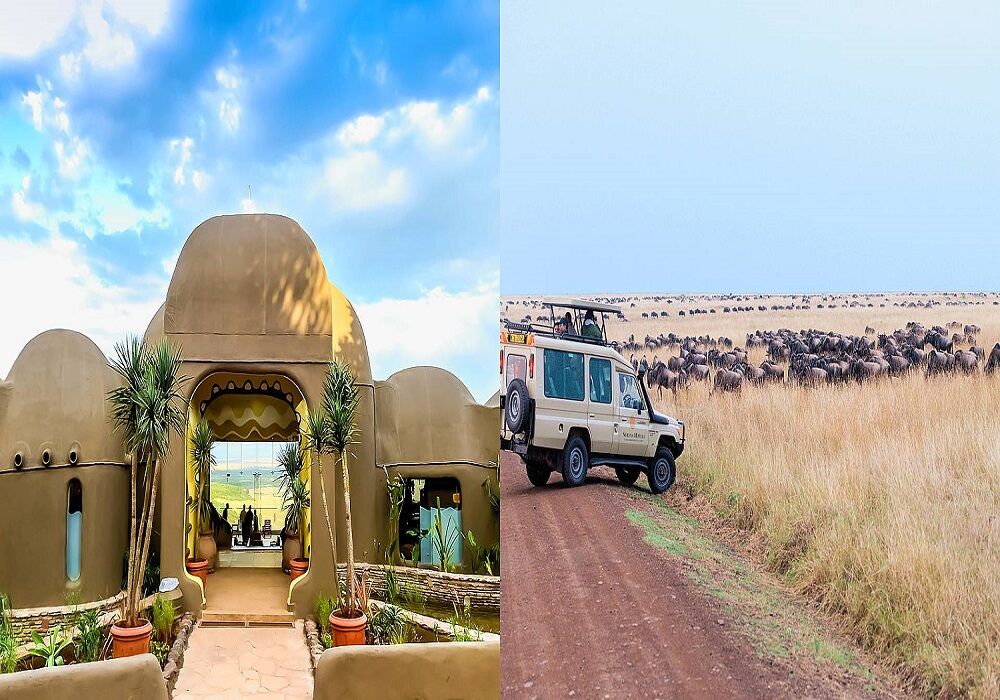
Tsavo East is celebrated for its low, semi-arid scrub vegetation and short grass plains, making wildlife tracking exceptionally easy compared to thicker woodlands. This open terrain is home to the famous dust-red elephants, which paint themselves in the park’s vibrant, iron-rich soil to shield their skin from intense solar rays. Tracking along the Aruba Dam or tracing the Galana River gives you unparalleled views of buffalo herds and resident lion prides resting in the shade of acacia bushes.
On the second day, your route crosses the main transport corridor into the rugged hills of Tsavo West. The environment transitions instantly into dramatic volcanic geography, thick montane forests, and steep granite ridges. Because the foliage here is denser, spotting leopards or tracking elusive browsers requires a custom-built 4×4 cruiser and an expert driver-guide who understands localized animal migration paths.
Insider E-E-A-T Tip: When exploring the rugged expanses of the Shetani Lava Flow on day two, ask your guide to cut the engine near the edges of the black basalt fields. If you observe the jagged rocky squeeze-ups closely through binoculars, you can often spot tiny, specialized klipspringer antelopes standing perfectly still on the vertical stone faces—an extraordinary visual detail that hurried tour groups pass by completely.
[INSERT CUSTOMER REVIEW/TESTIMONIAL HERE]
Must-Visit Conservation Sites Inside the Ecosystem
While the vast open plains hold major herds, specific localized natural wonders demand dedicated exploration on your route. Ensure your daily planner highlights these critical points of interest:
- Mzima Springs: A volcanic subterranean filtration basin that discharges millions of gallons of crystal-clear water daily. A specialized underwater glass viewing chamber lets you watch submerged pods of hippos and massive crocodiles navigating through freshwater plants.
- Ngulia Rhino Sanctuary: A heavily protected, 70-square-kilometer fenced fortress inside Tsavo West. Managed by the Kenya Wildlife Service (KWS), this safe zone is one of the premier locations in East Africa to observe the rare black rhinoceros up close in its natural browsing environment.
Logistics, Park Fees, and Smart Packing
Budgeting accurately for a Tsavo East and West 3-Day Safari requires navigating the official cashless payment frameworks implemented across Kenya’s conservation areas. Entry tickets run on a strict 24-hour cycle, and fees must be processed in advance via the eCitizen portal. When you choose to book safari packages, ensure your tour operator has fully bundled these conservation entries into your primary reservation invoice.
| Visitor Classification | Adult Conservation Fee (Per 24 Hours) | Child Conservation Fee (Ages 3–17) |
| :— | :— | :— |
| **East African Citizens** | KES 1,000 | KES 500 |
| **Kenya Residents** | KES 1,350 | KES 675 |
| **Non-Resident International** | USD 80 | USD 40 |
The undisputed best time for Tsavo safari tracking is during the extended dry weather window from July through October. As temporary waterholes dry up, thousands of migratory herbivores are compressed into permanent river channels, making predator-prey interactions frequent and easy to locate. Pack light, neutral-toned cotton layers, high-powered binoculars, and reef-safe sun defense to remain comfortable throughout your warm daytime game loops.
FAQ
What should I pack for a Tsavo East and West 3-Day Safari?
Pack breathable clothing in earth tones like khaki, tan, or green, and avoid dark shades of blue or black, which naturally attract tsetse flies. Bring premium binoculars, a long telephoto camera lens, a wide-brimmed sun hat, and a reusable water bottle to maintain compliance with Kenya’s absolute ban on single-use plastics within protected parks.
Is malaria a risk across the Tsavo ecosystem?
Yes, both the eastern and western zones are situated within low-altitude, malaria-endemic regions. Travelers should consult their healthcare provider regarding recommended antimalarial prophylactics before flying out, wear long sleeves during cooler dawn and dusk tracking windows, and ensure their room’s mosquito net is properly tucked in each night.
Can I expect to see all of the Big Five on this itinerary?
While large herds of elephants, cape buffalos, and lions are routinely cataloged across the open savannahs, leopards and rhinos are inherently reclusive. Incorporating a late-afternoon tracking drive through the secure Ngulia Rhino Sanctuary drastically improves your statistical probability of viewing a black rhino, making a full sweep of the Big Five highly achievable.
Plan your Kenya safari with us
Tell Steve or Richard your dates and group size — we reply within 24 hours.