Dry Season Big Five Safari Kenya: 7 Powerful Must-Know Tips.
Dry season big five safari Kenya delivers the ultimate wildlife experience. Plan your perfect trip now — discover the best parks, timing, and insider tips today!
Dry Season Big Five Safari Kenya: 7 Powerful Must-Know Tips.
Why a Dry Season Big Five Safari Kenya Is the Ultimate Wildlife Experience
Kenya’s dry seasons — running from January to March and July to October — transform the savannah in a profound way. Vegetation thins out under the equatorial sun. Seasonal streams vanish, and major water sources rapidly shrink. This environmental shift forces wildlife to congregate in predictable, high-density areas that make game sightings almost guaranteed.
An elephant herd gathering at a permanent watering hole during Kenya’s dry season
This is the absolute golden window for spotting all five iconic Big Five species — lion, leopard, elephant, Cape buffalo, and rhino — in a single extraordinary safari journey. The dry season big five safari kenya experience is not just about ticking names off a checklist. It is about witnessing an ancient, unscripted ecosystem operating at its peak intensity, where predators and prey are forced into close quarters daily.
7 Powerful Tips to Maximise Your Big Five Safari in Kenya’s Dry Season
1. Choose the Right Park for a Dry Season Big Five Safari Kenya
Not all conservation areas deliver equal results during the dry months, so strategic planning is essential:
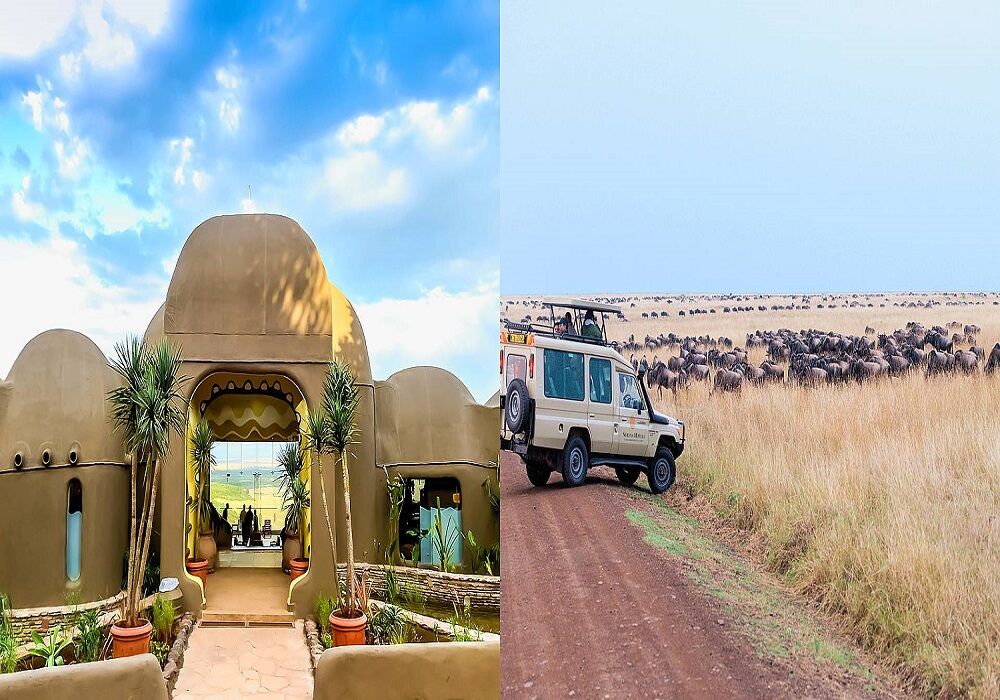
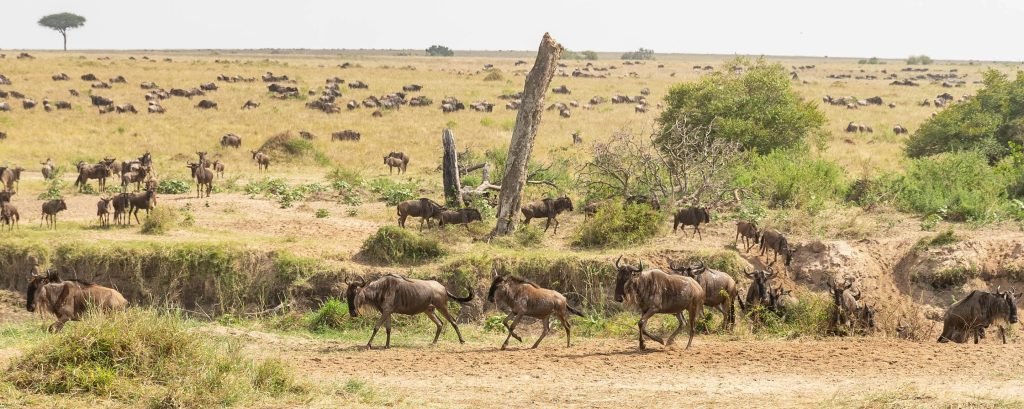
- The Maasai Mara: Dominates from July to October. This coincides perfectly with the arrival of the Great Wildebeest Migration, bringing intense predator activity as lions, cheetahs, and leopards track the massive herds.
- Amboseli National Park: Offers exceptional elephant concentrations around its permanent underground swamps. The iconic, dust-free views of Mount Kilimanjaro are also at their sharpest during these clear, dry months.
- Ol Pejeta Conservancy: Remains Kenya’s premier destination for safe rhino encounters. It serves as a vital sanctuary for black rhinos and is home to the world’s last two remaining northern white rhinos.
2. Time Your Game Drives Around Water Sources
During the dry season, water dictates life. Every lion pride, elephant herd, and buffalo clan must visit a reliable waterhole or river daily. Positioning your 4×4 vehicle near permanent water fixtures in the early morning and late afternoon guarantees exceptional, action-packed sightings with minimal transit time.
3. Book a Private Vehicle for Maximum Flexibility
Shared safari vehicles operate on rigid resort schedules and pre-planned routes. Investing in a private vehicle ensures your expert guide can track a leopard sighting for as long as you choose, reposition instantly based on live radio chatter, and adjust the daily pace entirely to your photography goals. For a true luxury dry season big five safari kenya, a dedicated private vehicle is a non-negotiable upgrade.
4. Prioritise Dawn and Dusk Game Drives
Kenya’s apex predators are crepuscular and nocturnal by nature. They are most active during first light and the golden hour just before nightfall. Early morning departures consistently reward travellers with active lion prides on fresh overnight kills, elusive leopards retreating safely into acacia branches, and massive elephant breeding herds moving toward watering holes.
5. Work With an Expert KWS-Certified Guide
A professional guide transforms a standard drive into a deep masterclass in African ecology. They interpret fresh tracks, read subtle animal behavioral cues, and safely navigate complex terrain. According to the official Kenya Wildlife Service (KWS) guidelines, certified local guides undergo extensive training in conservation ethics and visitor safety, ensuring your presence protects the ecosystem.
6. Layer Your Clothing — Dry Season Mornings Are Cold
Many first-time visitors underestimate East Africa’s dry season temperatures. Early morning drives on the Maasai Mara plains at 6:00 AM can easily plunge below 10°C (50°F), particularly between July and September. Pack a high-quality fleece or windbreaker alongside your lighter daytime apparel to stay comfortable during long pre-dawn tracking sessions.
7. Combine Multiple Ecosystems for a Complete Big Five Checklist
No single reserve guarantees all five species in one short stay. Combining diverse habitats—such as the open savannah of the Mara, the arid plains of Samburu, and the rugged bush of a private conservancy—dramatically maximizes your overall sighting success rate. An 8 to 12-day custom itinerary is the gold standard approach for serious wildlife enthusiasts.
Best Months for a Dry Season Big Five Safari Kenya
Kenya experiences two distinct dry windows, each offering unique ecological highlights:
| Season | Months | Best For |
|---|---|---|
| Short Dry Season | January – March | Clear skies, newborn wildlife, excellent viewing in Amboseli and Tsavo. |
| Long Dry Season | July – October | Mega-herds, River crossings, highest predator-prey activity in the Maasai Mara. |
Both windows offer world-class visibility, though the July-October corridor is universally recognized as the ultimate peak season. Due to high international demand, securing top-tier luxury camps requires booking at least 6 to 9 months in advance.
What to Expect on Your First Day in the Bush
Arrival in Kenya’s wilderness is an immediate, immersive sensory experience. You are greeted by the unmistakable aroma of sun-baked red earth, the distant warning calls of birds, and the visual grandeur of massive buffalo herds kicking up dust clouds across open plains.
A premium dry season big five safari kenya doesn’t gently introduce itself; it captivates you from the moment your bush plane touches down on the dirt airstrip. As global industry authorities like SafariBookings.com emphasize in annual tracking reviews, Kenya’s dry season safaris consistently earn the highest international traveler satisfaction marks due to the sheer density of encounters.
Conservation Matters: Safari Tourism That Protects Kenya’s Wildlife
Every responsibly managed safari directly funds the protection of East Africa’s delicate ecosystems. Your park entry fees, private conservancy conservation levies, and community bed-night fees provide critical capital for anti-poaching patrols, veterinary interventions, and local Maasai community land-lease programs. Choosing ethical, eco-certified operators ensures that your presence actively safeguards the wild spaces you came to admire for future generations.
Start Planning Your Kenya Safari Today
The dry season window is finite, the wildlife is constantly on the move, and premium accommodation spaces fill rapidly. Whether you are arranging an iconic family trip or a private luxury honeymoon, an intentional wildlife itinerary promises unscripted moments that no nature documentary can replicate.
👉 Browse our expertly curated Kenya Safari Packages today to design your tailored dry season itinerary and secure premium camp availability before the peak season closes.
Plan your Kenya safari with us
Tell Steve or Richard your dates and group size — we reply within 24 hours.